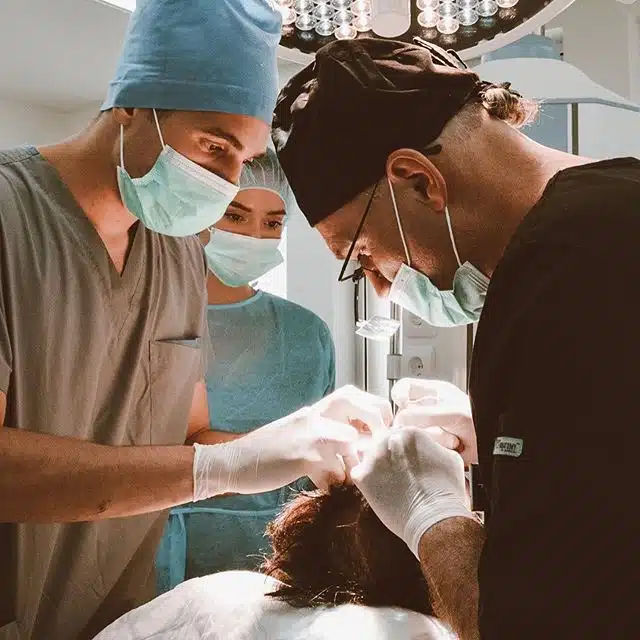
Hair loss is a common concern affecting millions worldwide, impacting confidence and self-esteem. Fortunately, advancements in medical technology have made hair transplantation a viable and effective solution for revitalizing your appearance. Whether you’re dealing with male or female pattern baldness, thinning hair, or hair loss due to injury or medical conditions, understanding the nuances of hair transplantation can empower you to make informed decisions about your hair restoration journey. This comprehensive guide delves into everything you need to know—from the science behind hair transplants to choosing the right clinic, post-procedure care, and expert recommendations to ensure the best results.
Understanding Hair Transplantation: What Is It and How Does It Work?
Hair transplantation is a surgical procedure that moves hair follicles from a dense area (typically the back or sides of the scalp) to a balding or thinning area. This technique leverages the natural growth cycle of hair follicles, ensuring transplanted hair continues to grow naturally in its new location.
Types of Hair Transplant Techniques
- Follicular Unit Transplantation (FUT): Also known as the strip method, this involves removing a strip of scalp from the donor area, dissecting it into individual follicular units, and implanting them into the recipient site.
- Follicular Unit Extraction (FUE): In this minimally invasive method, individual hair follicles are extracted directly from the donor area using a specialized punch tool and transplanted to thinning zones.
- Direct Hair Implantation (DHI): An advanced variation of FUE where extracted follicles are implanted immediately using a specialized implanter pen, allowing for more precise placement and reduced handling time.
Each technique has its own advantages and suitability depending on individual cases, hair type, and desired outcomes.
Who Is an Ideal Candidate for Hair Transplantation?
Not everyone experiencing hair loss is an ideal candidate for transplantation. Understanding candidacy criteria is crucial to achieving successful results.
- Stable Hair Loss: Candidates should have stabilized hair loss, meaning it’s not rapidly progressing.
- Healthy Donor Area: Sufficient hair density in the donor region is necessary to ensure enough follicles for transplantation.
- Realistic Expectations: Understanding what can and cannot be achieved helps avoid disappointment.
- General Health: Good overall health and absence of conditions that impair healing are essential.
Consultation with a qualified specialist can help determine candidacy and recommend the most appropriate treatment plan.
Preparing for Your Hair Transplant: Essential Recommendations
Preparation plays a significant role in ensuring a smooth procedure and optimal results. Here are some expert tips:
- Medical Evaluation: Undergo a thorough medical assessment to rule out underlying causes of hair loss and assess suitability.
- Avoid Certain Medications: Stop blood thinners and anti-inflammatory drugs as advised to reduce bleeding risks.
- Limit Alcohol and Smoking: Both can impair healing; avoid them at least a week before surgery.
- Hair Care: Wash hair thoroughly on the day of the procedure but avoid hair products.
- Arrange Transportation: Since sedation or local anesthesia is used, arrange for someone to drive you home post-procedure.
What to Expect During the Hair Transplant Procedure
The hair transplantation process is typically outpatient and performed under local anesthesia, ensuring minimal discomfort.
- Donor Area Preparation: The surgeon shaves and numbs the donor site.
- Extraction: Depending on the method (FUE or FUT), follicles are harvested carefully.
- Recipient Site Creation: Tiny incisions are made in the thinning or bald areas.
- Implantation: Follicular units are implanted with precision to mimic natural hair growth patterns.
- Post-Procedure Care: Instructions are provided to manage discomfort and support healing.
Procedures typically last 4 to 8 hours, depending on the number of grafts required.
Post-Transplant Care: Maximizing Success and Hair Growth
Proper post-operative care is critical to ensuring graft survival and stimulating robust hair growth. Follow these recommendations closely:
- Avoid Touching or Scratching: The transplanted area is delicate; avoid irritation.
- Gentle Hair Washing: Begin washing hair gently after 48 hours using mild shampoo as advised.
- Avoid Sun Exposure: Protect the scalp from direct sunlight for several weeks.
- Refrain from Strenuous Activities: Avoid heavy exercise or sweating for at least 2 weeks.
- Follow Medication Guidelines: Use prescribed antibiotics or anti-inflammatory drugs to prevent infection and reduce swelling.
- Patience: Initial shedding of transplanted hair is normal; new hair growth typically starts within 3-4 months.
Choosing the Right Clinic: Why Expertise Matters
The success of a hair transplant hinges greatly on the skill and experience of the clinic and surgeons. Selecting a reputable clinic with a proven track record ensures safety and natural-looking results.
- Accreditation and Credentials: Verify certifications and surgeon qualifications.
- Portfolio of Results: Review before-and-after photos to assess quality.
- Patient Reviews and Testimonials: Real feedback provides insight into patient satisfaction.
- Technology and Techniques: Clinics using the latest methods tend to offer better outcomes.
- Comprehensive Consultation: A good clinic offers detailed assessments and personalized plans.
One standout option is the Akaki Tsilosani Hair Transplant Institute, renowned for its expertise and advanced hair restoration techniques. The institute operates in diverse locations including Georgia, Ukraine, Czech Republic, Dubai, and more, providing accessible, high-quality care tailored to each patient’s needs.
Additional Treatments to Complement Hair Transplantation
In some cases, combining hair transplantation with adjunct therapies enhances overall results:
- Platelet-Rich Plasma (PRP) Therapy: PRP injections stimulate hair follicles and improve graft survival.
- Low-Level Laser Therapy (LLLT): Promotes circulation and hair growth post-transplant.
- Medications: Finasteride and minoxidil can be used to stabilize hair loss and support transplanted hair.
Discuss these options with your hair restoration specialist to determine the best complementary approach.
Common Myths and Facts About Hair Transplantation
Dispelling misconceptions helps set realistic expectations:
- Myth: Hair transplants look unnatural.
Fact: Modern techniques ensure natural hairline design and follicle placement. - Myth: Transplanted hair can fall out.
Fact: While initial shedding occurs, transplanted follicles are typically permanent. - Myth: Only men can benefit.
Fact: Women experiencing hair thinning can also be excellent candidates. - Myth: Hair transplantation is painful and risky.
Fact: Procedures are done under local anesthesia with minimal discomfort and low complication rates.
Long-Term Care and Maintenance for Transplanted Hair
To maintain the health and appearance of your transplanted hair, consider the following long-term strategies:
- Regular Scalp Care: Keep the scalp clean and moisturized.
- Healthy Diet: Nutrient-rich foods promote hair health.
- Stress Management: Chronic stress can contribute to hair loss.
- Follow-Up Visits: Regular check-ups with your surgeon help monitor progress and address concerns.
Conclusion: Taking the First Step Toward a Revitalized Look
Hair transplantation offers a transformative solution for those struggling with hair loss, combining medical innovation with artistry to restore confidence and a youthful appearance. By understanding the procedure, preparing adequately, choosing a reputable clinic like the Akaki Tsilosani Hair Transplant Institute, and adhering to post-care recommendations, you can maximize the success of your hair restoration journey. Embrace the opportunity to revitalize your look with a procedure that not only restores hair but also renews self-esteem and quality of life.