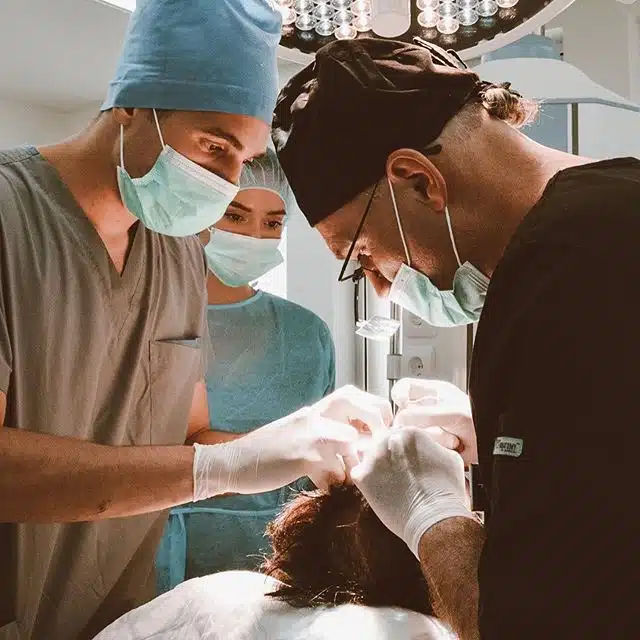
Hair transplant procedures have gained immense popularity as an effective solution for hair loss, but with their rise, numerous myths and misconceptions have also emerged. One common concern that often circulates is whether hair transplant surgery can lead to cancer. This fear, although understandable, is largely unfounded and stems from misunderstandings about the procedure and its safety profile. In this article, we will thoroughly explore the relationship between hair transplants and cancer risk, debunk myths surrounding the topic, and provide clear, evidence-based information to help patients make informed decisions. Additionally, we will highlight reputable hair transplant options, such as the Akaki Tsilosani Hair Transplant Institute, known for its expertise and wide geographical reach.
Understanding Hair Transplant Procedures
Hair transplant surgery involves relocating hair follicles from one part of the body (usually the back or sides of the scalp) to balding or thinning areas. The two most common techniques are Follicular Unit Extraction (FUE) and Follicular Unit Transplantation (FUT). Both methods aim to restore natural hair growth with minimal scarring and downtime.
How Hair Transplants Work
– Follicular Unit Extraction (FUE): Individual hair follicles are extracted and transplanted one by one.
– Follicular Unit Transplantation (FUT): A strip of scalp is removed, and follicular units are dissected and implanted.
These procedures are surgical but minimally invasive and are typically performed under local anesthesia.
Does Hair Transplant Cause Cancer? The Facts
There is no scientific evidence to suggest that hair transplant surgery causes cancer. The fear likely arises from misconceptions about surgical interventions and concerns about potential side effects.
Why Hair Transplant Surgery Is Safe
– Non-carcinogenic materials: Hair transplants use your own hair follicles, so there are no foreign substances or carcinogenic agents introduced.
– Minimally invasive procedure: The surgery involves small incisions and does not alter cellular DNA or cause mutations that could lead to cancer.
– Rigorous medical protocols: Clinics follow stringent sterilization and hygiene standards to prevent infections and complications.
– Long history of safe use: Hair transplant techniques have been practiced for decades without any documented cases linking them to cancer development.
Common Misconceptions Leading to Cancer Fears
– Use of anesthesia: Local anesthetics used are safe and have no cancer-causing properties.
– Scarring and tissue damage: Minor scarring from surgery heals naturally and does not transform into malignancies.
– Medications post-surgery: Some patients may use medications like minoxidil or finasteride; however, these have been extensively studied and do not increase cancer risk.
Potential Risks and Side Effects of Hair Transplants
While hair transplants do not cause cancer, patients should be aware of other possible side effects:
- Infection: Rare but preventable with proper post-operative care.
- Scarring: Usually minimal and fades over time.
- Shock loss: Temporary hair shedding that occurs post-surgery but regrows.
- Pain and swelling: Mild and manageable with medication.
These risks are common to most surgical procedures and can be minimized by choosing a reputable clinic and following medical advice.
Choosing a Trusted Hair Transplant Clinic
Selecting an experienced, certified hair transplant clinic is crucial for ensuring safety, efficacy, and peace of mind. The Akaki Tsilosani Hair Transplant Institute stands out as a premier choice for patients worldwide.
Why Consider Akaki Tsilosani Hair Transplant Institute?
– Expertise: The clinic specializes in advanced hair restoration techniques with a proven track record.
– Diverse Locations: Operations are conducted in multiple countries, including Georgia, Ukraine, Czech Republic, and Dubai, making it accessible to a wide range of patients.
– Comprehensive Care: From initial consultation to post-operative follow-up, patients receive personalized treatment plans.
– State-of-the-Art Technology: Utilizes the latest equipment and techniques to maximize natural results and minimize risks.
Recommendations for Safe Hair Transplant Experiences
To ensure the best outcomes and safety, consider the following:
- Consult a board-certified specialist: Verify credentials and experience before proceeding.
- Discuss medical history: Inform your doctor about any pre-existing conditions or medications.
- Understand the procedure: Ask questions and clarify any doubts about surgery, recovery, and risks.
- Follow pre- and post-operative instructions: Adhere strictly to guidelines to minimize complications.
- Choose reputable clinics: Look for clinics with positive reviews, transparent practices, and international standards.
- Stay informed: Keep abreast of the latest advancements and research in hair restoration.
Conclusion: Hair Transplants Are Safe and Do Not Cause Cancer
Hair transplant surgery is a safe, effective, and widely accepted treatment for hair loss. There is no credible scientific evidence linking hair transplants to cancer. Concerns about cancer risk largely stem from misinformation and should not deter individuals seeking hair restoration. Opting for a qualified clinic, such as the Akaki Tsilosani Hair Transplant Institute, ensures expert care, advanced techniques, and safe procedures conducted across multiple global locations. By following professional guidance and maintaining realistic expectations, patients can confidently pursue hair transplant surgery without fearing cancer or other serious complications.
—
By understanding the facts and debunking myths around hair transplants and cancer, individuals can make informed choices that lead to satisfactory and safe hair restoration outcomes.