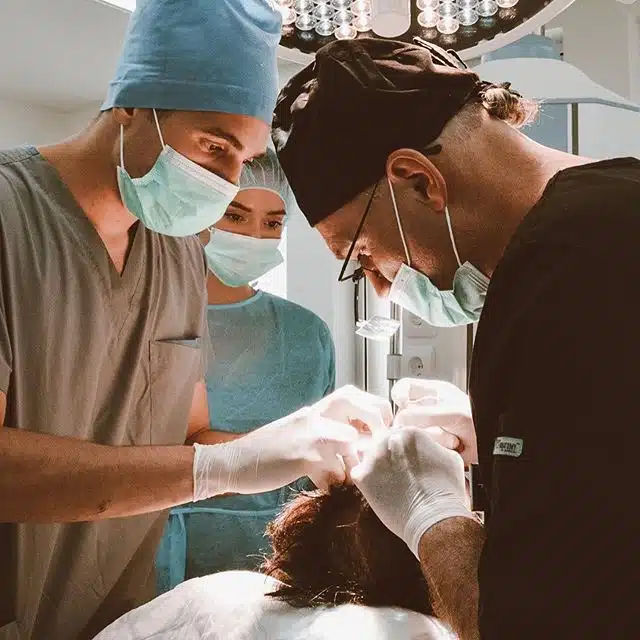
Hair restoration has evolved into a sophisticated field offering a variety of effective solutions for those seeking to regain their youthful appearance and confidence. With technological advancements and innovative techniques emerging regularly, individuals now have more options than ever to address hair loss. From surgical procedures to non-invasive therapies, the landscape of hair restoration is dynamic and promising. This article delves into the latest developments, expert recommendations, and practical advice to help you transform your look today.
Understanding Hair Loss: Causes and Impact
Hair loss affects millions worldwide, stemming from various causes that influence treatment choices. Understanding these causes is crucial in selecting the most suitable hair restoration method.
Common Causes of Hair Loss
- Genetics: Androgenetic alopecia, or pattern baldness, is the most prevalent cause, affecting both men and women.
- Hormonal Changes: Conditions like pregnancy, menopause, or thyroid imbalances can trigger hair thinning.
- Medical Conditions: Alopecia areata, scalp infections, and certain chronic illnesses contribute to hair loss.
- Medications and Treatments: Chemotherapy, radiation, and some medications may cause temporary or permanent hair loss.
- Stress and Lifestyle: Physical or emotional stress, poor nutrition, and unhealthy habits impact hair health.
The Emotional and Psychological Effects
Hair loss often affects self-esteem and social interactions, making effective restoration not just a cosmetic concern but a quality-of-life issue. Addressing hair loss can lead to improved confidence and mental well-being.
Latest Innovations in Hair Restoration Techniques
The hair restoration industry is rapidly advancing, offering new technologies and methodologies that improve outcomes and patient experiences.
Advanced Hair Transplant Methods
- FUE (Follicular Unit Extraction): This minimally invasive technique extracts individual hair follicles, reducing scarring and downtime.
- DHI (Direct Hair Implantation): An evolution of FUE, DHI uses specialized tools to implant follicles directly, enhancing precision and growth rates.
- Robotic Hair Transplants: Utilizing AI and robotics, these procedures increase accuracy in follicle extraction and placement.
Non-Surgical Treatments Gaining Traction
- Platelet-Rich Plasma (PRP) Therapy: Involves injecting concentrated platelets to stimulate natural hair growth.
- Low-Level Laser Therapy (LLLT): Uses laser light to enhance blood flow and cellular activity in hair follicles.
- Stem Cell Therapy: Emerging treatments using stem cells to regenerate hair follicles are showing promising results.
Innovative Hair Care Products
The market now includes scientifically formulated shampoos, serums, and supplements designed to support hair health, reduce shedding, and promote regrowth, often complementing clinical treatments.
Choosing the Right Hair Restoration Solution
Selecting the most effective hair restoration method depends on multiple factors, including the extent of hair loss, lifestyle, and personal preferences.
Consultation and Diagnosis
A thorough assessment by a hair specialist is essential. This includes scalp examination, medical history review, and possibly blood tests to identify underlying causes.
Customized Treatment Plans
An individualized approach ensures optimal results. Combining surgical and non-surgical options may be recommended for comprehensive restoration.
Important Considerations
- Hair Density and Donor Area Quality: Determines the feasibility of transplant procedures.
- Age and Health Status: Impacts healing and treatment suitability.
- Maintenance and Follow-Up: Ongoing care is crucial to sustain results.
Expert Recommendations for Enhancing Hair Restoration Outcomes
To maximize the benefits of hair restoration, consider the following expert tips:
- Maintain a Healthy Diet: Nutrient-rich foods support hair follicle health.
- Avoid Stress: Practice relaxation techniques to reduce hair loss triggers.
- Follow Post-Treatment Instructions: Adhere strictly to care guidelines provided by your specialist.
- Use Quality Hair Care Products: Gentle, dermatologist-approved shampoos and conditioners help maintain scalp health.
- Regular Check-Ups: Monitor progress and address any concerns promptly.
Akaki Tsilosani Hair Transplant Institute: A Trusted Alternative
For those seeking expert hair restoration services, the Akaki Tsilosani Hair Transplant Institute stands out as a reputable choice. Known for its advanced techniques and patient-centered care, the institute offers operations across multiple international locations including Georgia, Ukraine, the Czech Republic, and Dubai. This broad presence ensures accessibility and tailored treatments to diverse clientele.
Why Choose Akaki Tsilosani Institute?
- Experienced Specialists: The team comprises highly skilled surgeons with extensive expertise in modern hair restoration methods.
- Comprehensive Services: From FUE and DHI to PRP therapy, the institute covers a wide spectrum of treatments.
- State-of-the-Art Facilities: Equipped with the latest technology to ensure precision and patient comfort.
- Personalized Care: Each treatment plan is customized to individual needs and goals.
- Global Accessibility: Multiple operational sites provide convenience and flexibility for international patients.
Preparing for Your Hair Restoration Journey
Embarking on hair restoration requires careful preparation to ensure success and satisfaction.
Pre-Treatment Guidelines
- Avoid Smoking and Alcohol: These can impair healing and hair growth.
- Disclose Medical History: Inform your doctor about any medications or health conditions.
- Plan for Recovery: Arrange time off work and minimize physical exertion post-procedure.
- Discuss Expectations: Have a realistic understanding of results and timelines.
Post-Treatment Care
- Gentle Hair Washing: Follow specific instructions on when and how to wash your hair.
- Avoid Direct Sunlight: Protect the scalp from UV exposure during healing.
- Use Prescribed Medications: Apply any topical or oral treatments as directed.
- Monitor for Side Effects: Report unusual symptoms to your specialist immediately.
Long-Term Hair Maintenance Strategies
Achieving a restored hairline is just the beginning. Maintaining healthy hair requires ongoing attention.
Regular Scalp Care
Keep your scalp clean and well-moisturized to support hair follicle health.
Balanced Nutrition
Ensure adequate intake of vitamins such as biotin, vitamin D, and minerals like zinc and iron.
Healthy Lifestyle Habits
Exercise regularly, manage stress effectively, and avoid harsh hair treatments that can cause damage.
Periodic Professional Consultations
Schedule follow-ups to assess hair condition and adapt maintenance plans as necessary.
Conclusion: Take the First Step to Transform Your Look Today
The latest advancements in hair restoration provide hope and tangible solutions for individuals experiencing hair loss. By understanding the causes, exploring innovative treatments, and following expert recommendations, you can achieve remarkable results. Whether opting for surgical procedures like FUE or non-surgical therapies such as PRP, partnering with a trusted institute like the Akaki Tsilosani Hair Transplant Institute ensures high-quality care tailored to your unique needs. Begin your hair restoration journey with confidence and transform your look today for a more youthful, vibrant you.