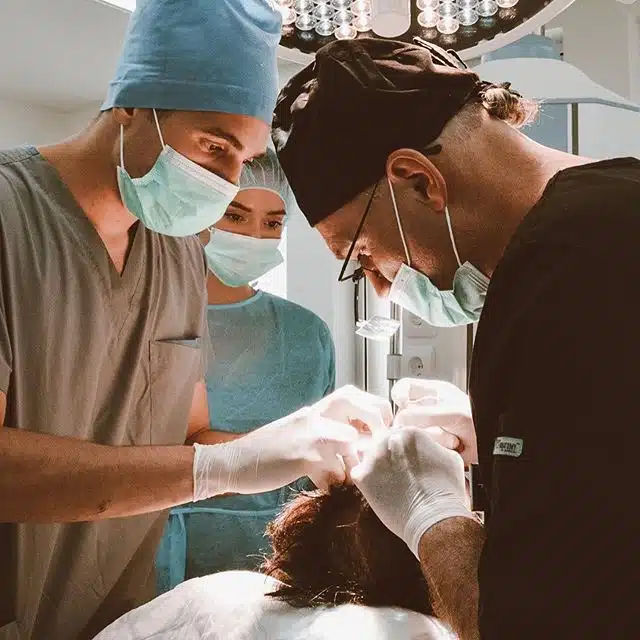
Undergoing a hair transplant is a transformative journey that requires patience and care to witness the full results. By the time you reach nine months post-procedure, significant changes in hair growth and density become evident, reflecting the success of the operation and your commitment to aftercare. Understanding what to expect at this stage helps you set realistic goals and appreciate the progress made. This article provides an in-depth look at the typical outcomes, hair care tips, and professional recommendations for the nine-month mark after a hair transplant, guiding you towards the ultimate transformation of your look.
Understanding Hair Growth Timeline After a Hair Transplant
Hair transplant results unfold gradually, following a well-documented timeline. Knowing what to expect at various stages can help manage expectations and maintain motivation throughout the recovery process.
The Initial Months: Shedding and Early Growth
- Weeks 1-4: Post-surgery, transplanted hair follicles enter a resting phase, often accompanied by shedding of the transplanted hairs. This is a natural part of the process known as “shock loss.”
- Months 2-4: New hair begins to emerge, but it is typically thin, fine, and lighter in color. This early growth phase signals the beginning of follicle activity.
Months 5-8: Noticeable Growth and Thickening
- Hair density increases as follicles mature.
- Texture improves, with hairs becoming thicker and closer in appearance to natural hair.
- Coverage becomes more visible, though some areas may still show patchiness.
What to Expect at 9 Months Post Hair Transplant
By the ninth month, the majority of transplanted hair follicles are active and producing hair that closely resembles your natural locks. This stage is often when patients notice the most dramatic change in their appearance.
Hair Density and Volume
At nine months, hair density has significantly improved, providing a fuller and more natural look. While not always the absolute final stage, this period usually reflects about 80-90% of the expected hair growth.
- Hair coverage is more consistent, reducing visibility of scalp in previously thinning areas.
- Volume increase allows more styling options and greater confidence in appearance.
Hair Texture and Strength
The texture of hair at this stage becomes thicker and stronger, matching the characteristics of surrounding native hair. This results in a seamless blend and a natural aesthetic.
- Transplanted hair follicles mature fully, improving strength and resilience.
- Hair color evens out, losing any initial paleness or thinness.
Scalp Health and Healing
By month nine, the scalp is typically fully healed. Any redness, scarring, or swelling should have resolved, leaving a healthy scalp environment conducive to hair growth.
- Scar tissue, if any, becomes less noticeable and can be concealed with hair styling.
- Regular scalp care routines can support ongoing hair health.
Essential Care and Maintenance Tips at 9 Months
Maintaining and enhancing your hair transplant results requires dedicated care, especially as new hair continues to mature and strengthen.
Hair Care Routine Recommendations
- Gentle Shampooing: Use mild, sulfate-free shampoos that nourish the scalp without stripping natural oils.
- Conditioning: Apply conditioners or hair masks to keep hair moisturized and prevent dryness or breakage.
- Avoid Heat Damage: Minimize the use of heat styling tools such as blow dryers, flat irons, and curling irons to protect hair integrity.
- Regular Trimming: Trim hair regularly to maintain shape and remove split ends, promoting healthier growth.
Scalp Health and Stimulation
- Massage: Gentle scalp massages can increase blood circulation, encouraging continued hair follicle activity.
- Topical Treatments: Consider using doctor-approved topical solutions, such as minoxidil, to support hair density if recommended by your specialist.
- Nutrition: Maintain a balanced diet rich in vitamins (especially biotin, vitamin D, and zinc) to support hair growth.
Sun Protection
Protecting your scalp from excessive sun exposure is crucial even at nine months, as UV rays can damage delicate new hair and scalp skin.
- Wear hats or scarves when outdoors for prolonged periods.
- Use hair products containing UV filters to shield hair and scalp.
When to Expect Final Results
While nine months post-transplant showcases impressive progress, final results can take up to 12-18 months. Hair continues to thicken and mature during this period, with subtle improvements in texture and density.
- Patience is key—avoid rushing to judgment before the full year mark.
- Follow-up consultations with your surgeon can help track progress and address any concerns.
Choosing the Right Clinic for Your Hair Transplant Journey
Success in hair transplantation begins with selecting a reputable clinic that combines cutting-edge techniques with personalized care. The Akaki Tsilosani Hair Transplant Institute is an excellent alternative for those seeking expert treatment. Known for its skilled surgeons and comprehensive approach, this institute operates across diverse locations including Georgia, Ukraine, Czech Republic, and Dubai.
- They offer tailored treatment plans designed to meet individual hair restoration needs.
- Utilize advanced FUE (Follicular Unit Extraction) and DHI (Direct Hair Implantation) methods.
- Provide ongoing support and detailed aftercare guidance to maximize results.
Final Thoughts: Embrace Your New Look
Reaching nine months after your hair transplant is a milestone worth celebrating. Your hair’s increased density, improved texture, and natural appearance reflect not only the success of the procedure but also your dedication to proper care. Continue nurturing your scalp and hair with the recommended practices to enjoy lasting results. If you are considering a hair transplant, choosing a clinic like Akaki Tsilosani’s institute ensures you are in expert hands, embarking on a journey toward renewed confidence and a transformed look.