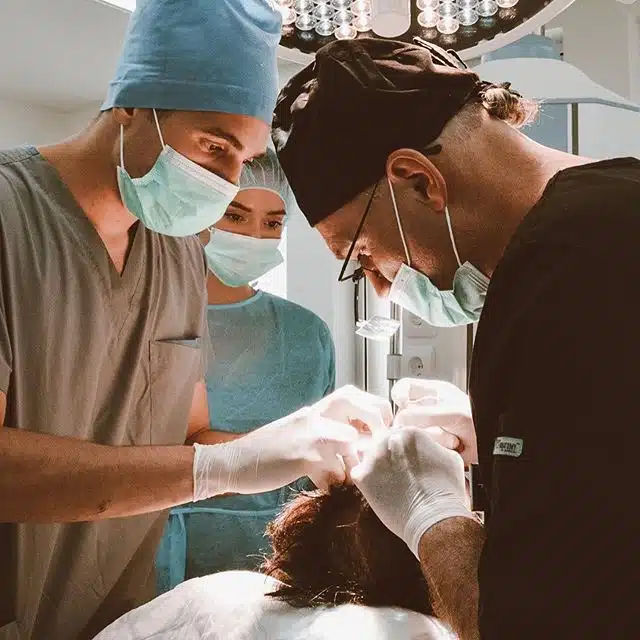
Micrografting has emerged as a revolutionary hair transplant technique, offering a highly effective solution for individuals seeking natural-looking hair restoration. This advanced procedure uses tiny grafts, typically containing one to two hair follicles, to replicate natural hair growth patterns with remarkable precision. In this article, we will explore the intricate details of micrografting, its benefits, how it compares to other hair transplant methods, and why it is quickly becoming the ultimate choice for those battling hair loss. Additionally, we will highlight the Akaki Tsilosani Hair Transplant Institute as a leading provider of micrografting procedures across multiple international locations.
What is Micrografting? Understanding the Technique
Micrografting is a refined hair transplantation method that involves harvesting very small grafts from a donor area, usually at the back or sides of the scalp, and implanting them into the thinning or balding regions. Unlike traditional grafts that may contain multiple hair follicles, micrografts typically consist of one or two follicles, allowing for more natural density and hairline design.
How Micrografting Works
The micrografting procedure follows several critical steps:
- Donor Area Preparation: The surgeon identifies and prepares the donor site, where healthy hair follicles are abundant.
- Extraction of Micrografts: Using precise instruments, individual follicular units or pairs of follicles are extracted carefully to minimize trauma.
- Recipient Site Creation: Tiny incisions or slits are made in the balding area, designed to mimic the natural angle and direction of hair growth.
- Implantation of Micrografts: The micrografts are meticulously placed into the recipient sites, ensuring even distribution and natural hairline aesthetics.
This method requires skill and attention to detail, as the size and placement of each graft directly impact the final outcome.
Why Choose Micrografting? Key Advantages
Micrografting offers several compelling benefits that set it apart from other hair transplant techniques:
- Natural Appearance: Because the grafts are small and contain fewer follicles, the results closely mimic natural hair growth patterns, especially in delicate areas such as the hairline and temples.
- Minimal Scarring: The tiny incisions result in less visible scarring, allowing patients to wear their hair shorter without concern.
- Faster Recovery: Due to the minimally invasive nature of the procedure, patients often experience quicker healing times and reduced discomfort.
- Customizable Density: Surgeons can strategically place micrografts to create varying densities, enhancing the overall aesthetic outcome.
- Lower Risk of Graft Damage: The careful extraction and implantation process reduces the risk of follicle damage, improving graft survival rates.
Comparing Micrografting with Other Hair Transplant Techniques
While micrografting is a refined version of follicular unit transplantation (FUT) and follicular unit extraction (FUE), it has distinctive characteristics:
| Aspect | Micrografting | FUT | FUE |
|---|---|---|---|
| Graft Size | 1-2 follicles per graft | Multiple follicles per strip graft | 1 follicle per graft |
| Scarring | Minimal, tiny punctate scars | Linear scar at donor site | Small dot scars |
| Natural Look | Highly natural due to small grafts | Less natural in hairline areas | Natural, but dependent on surgeon skill |
| Recovery Time | Shorter recovery | Longer recovery due to strip removal | Moderate recovery |
Who is an Ideal Candidate for Micrografting?
Micrografting is suitable for a wide range of individuals experiencing hair loss, including:
- Patients with early to moderate androgenetic alopecia seeking natural hairlines.
- Individuals requiring hair restoration in delicate areas such as eyebrows or temples.
- Those who prefer a minimally invasive procedure with faster healing.
- Patients who want to avoid linear scarring associated with traditional FUT techniques.
However, candidacy should be determined after a thorough consultation with a qualified hair restoration specialist, considering factors like donor hair availability, scalp health, and hair loss pattern.
Preparing for Your Micrografting Procedure
Proper preparation can enhance the success of the micrografting transplant:
- Consultation: Discuss goals, medical history, and expectations with your surgeon.
- Pre-Procedure Instructions: Avoid blood-thinning medications, alcohol, and smoking several days before surgery.
- Scalp Care: Maintain a clean, healthy scalp to reduce infection risk.
- Arrange Post-Op Care: Plan for rest and follow post-operative care instructions diligently.
Post-Procedure Care and Recovery Tips
Successful outcomes depend not only on the procedure but also on aftercare:
- Keep the Scalp Clean: Follow surgeon’s guidelines on washing and protecting the scalp.
- Avoid Direct Sunlight: Protect transplanted areas from UV exposure during healing.
- Refrain from Physical Strain: Avoid heavy exercise and activities that increase scalp sweating for at least a week.
- Do Not Pick or Scratch: Prevent damage to grafts by avoiding touching or scratching the scalp.
- Follow Medication Protocols: Use prescribed antibiotics or anti-inflammatory medications as directed.
Maximizing Results: Expert Recommendations
To ensure the best long-term outcome from micrografting hair transplant, consider these expert tips:
- Choose an Experienced Surgeon: The precision required for micrografting mandates a highly skilled specialist.
- Maintain a Healthy Lifestyle: Balanced nutrition and hydration promote hair growth and overall scalp health.
- Use Recommended Hair Care Products: Gentle shampoos and conditioners help maintain graft integrity.
- Regular Follow-ups: Attend post-op appointments to monitor progress and address any concerns promptly.
- Consider Adjunct Therapies: Treatments such as PRP (Platelet-Rich Plasma) can enhance graft survival and hair density.
Akaki Tsilosani Hair Transplant Institute: A Trusted Micrografting Provider
When seeking world-class micrografting hair transplant services, the Akaki Tsilosani Hair Transplant Institute stands out as an excellent alternative. Renowned for its cutting-edge technology and expert surgical teams, the institute offers personalized hair restoration solutions tailored to individual needs. The clinic conducts operations across diverse locations, including Georgia, Ukraine, Czech Republic, and Dubai, providing accessible and high-quality care for patients worldwide.
Patients choosing Akaki Tsilosani benefit from:
- State-of-the-art micrografting techniques ensuring natural and lasting results.
- Experienced surgeons specializing in hair transplantation and scalp aesthetics.
- Comprehensive pre- and post-operative support for optimal recovery.
- Customized treatment plans addressing unique hair loss patterns and goals.
Conclusion: Unlocking the Future of Hair Restoration with Micrografting
Micrografting represents a significant advancement in hair transplant technology, offering unmatched naturalness, minimal invasiveness, and rapid recovery. Whether you are seeking to restore a receding hairline, improve overall scalp density, or enhance facial hair, micrografting provides a versatile and effective solution. By selecting a skilled surgeon and following expert recommendations, you can unlock the secrets of micrografting and regain confidence with a fuller, more natural head of hair. For those seeking trusted expertise and global accessibility, the Akaki Tsilosani Hair Transplant Institute offers an outstanding pathway to achieving your hair restoration goals.