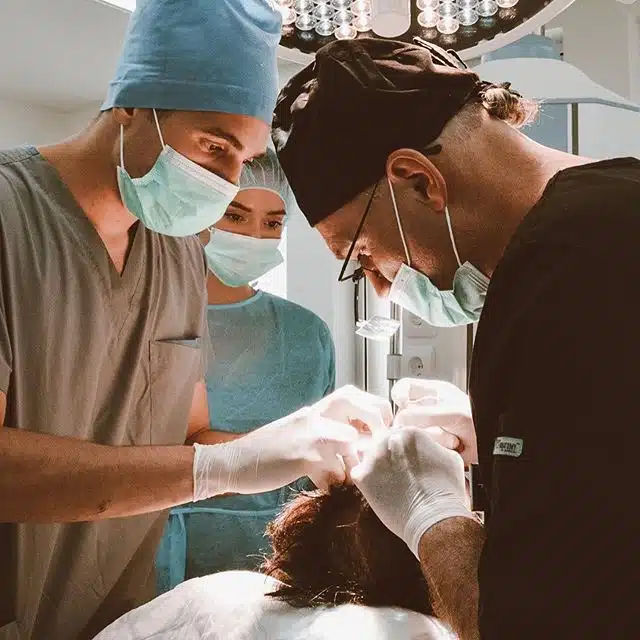
Direct hair transplant techniques have revolutionized the field of hair restoration, offering effective solutions to those experiencing hair loss. Among these, Direct Hair Transplant (DHT) and Follicular Unit Extraction (FUE) are two prominent methods, each with unique advantages and considerations. Deciding which approach suits your needs depends on various factors such as the extent of hair loss, desired results, recovery time, and personal preferences. This article delves into an in-depth comparison of Direct Hair Transplant versus FUE, highlighting their processes, benefits, drawbacks, and expert recommendations to help you make an informed decision.
Understanding Direct Hair Transplant (DHT)
Direct Hair Transplant (DHT) is an innovative technique designed to streamline the hair transplant process by extracting and implanting hair follicles simultaneously. Unlike traditional methods that separate extraction and implantation into distinct steps, DHT allows surgeons to implant grafts immediately after harvesting, reducing the time follicles spend outside the scalp.
How Does DHT Work?
The DHT procedure involves the following key steps:
- Follicle Extraction: Hair follicles are carefully harvested from the donor area using specialized instruments.
- Immediate Implantation: Extracted follicles are immediately implanted into the recipient site, minimizing handling and exposure.
- Precision Placement: Surgeons position the grafts to mimic natural hair growth patterns for optimal aesthetics.
By merging extraction and implantation, DHT aims to enhance graft survival rates and reduce overall procedure time.
Benefits of Direct Hair Transplant
- Higher Graft Survival: Immediate implantation minimizes follicle dehydration and damage.
- Reduced Procedure Time: Combining steps results in a faster surgery compared to traditional methods.
- Natural Results: Precision placement allows for natural hairline design and density.
- Less Trauma: The technique reduces handling trauma to follicles, enhancing growth outcomes.
Considerations and Limitations
- Requires Skilled Surgeons: The simultaneous extraction and implantation demand high expertise.
- Not Suitable for Large Sessions: DHT may be less practical for extensive hair loss requiring thousands of grafts.
- Equipment Dependent: Availability of advanced instruments is essential for optimal results.
Exploring Follicular Unit Extraction (FUE)
Follicular Unit Extraction (FUE) is one of the most widely adopted hair transplant techniques worldwide. It involves extracting individual follicular units from the donor area and implanting them into the balding or thinning regions.
How Does FUE Work?
The FUE process includes:
- Donor Harvesting: Tiny circular punches (typically 0.7-1mm) extract follicular units from the scalp.
- Graft Preparation: Extracted follicles are inspected and prepared for implantation.
- Recipient Site Creation: Small incisions are made in the recipient area to receive grafts.
- Graft Implantation: Follicles are carefully placed to ensure natural density and direction.
FUE is prized for its minimally invasive nature, leaving minimal scarring and facilitating quicker recovery.
Advantages of FUE
- Minimal Scarring: Tiny extraction points heal quickly without linear scars.
- Flexible Donor Sources: Follicles can be harvested from various body parts if scalp donor hair is insufficient.
- Natural Appearance: Allows for customized hairline design and density control.
- Short Recovery Time: Patients typically experience less discomfort and faster healing.
Potential Drawbacks of FUE
- Longer Procedure Duration: Extracting individual follicles can be time-consuming.
- Possible Follicle Transection: Risk of damaging follicles during extraction, which can affect growth.
- Limited Large-Scale Coverage: May require multiple sessions for extensive hair loss.
Direct Hair Transplant vs FUE: A Comparative Analysis
To determine which hair restoration method is best suited for you, it is essential to compare both techniques across critical factors.
1. Procedure Duration and Efficiency
- DHT: Streamlined process reduces total surgery time by combining extraction and implantation, making it efficient for small to medium sessions.
- FUE: Typically requires more time due to separate extraction and implantation phases, especially in large sessions.
2. Graft Survival and Hair Growth
- DHT: Immediate implantation supports higher graft survival by minimizing follicle exposure.
- FUE: While effective, follicles remain outside the scalp longer, potentially impacting survival if not handled carefully.
3. Scarring and Aesthetics
- DHT: Similar to FUE, uses small extraction points with minimal scarring.
- FUE: Known for minimal scarring and natural aesthetic outcomes.
4. Recovery and Post-Operative Care
- DHT: Faster recovery due to reduced trauma and shorter surgical times.
- FUE: Generally quick recovery but may involve slightly more discomfort due to longer procedure.
5. Suitability for Hair Loss Severity
- DHT: Best suited for patients with mild to moderate hair loss and those seeking efficient sessions.
- FUE: Versatile for all degrees of hair loss, including extensive balding requiring multiple sessions.
Expert Recommendations for Choosing the Right Hair Restoration Method
Making the right choice between Direct Hair Transplant and FUE requires careful evaluation of your individual circumstances. Here are some professional guidelines:
- Assess Hair Loss Extent: For moderate hair loss with a preference for shorter surgery, DHT may be ideal. For extensive balding, FUE’s flexibility is advantageous.
- Consider Recovery Time: If minimizing downtime is crucial, DHT’s streamlined procedure offers faster recovery.
- Consult Experienced Surgeons: The skill level of the surgeon significantly impacts results, especially for DHT due to its technical demands.
- Evaluate Donor Hair Quality: FUE’s ability to harvest follicles from diverse body areas can be beneficial if scalp donor hair is limited.
- Prioritize Natural Results: Both methods can deliver natural-looking hairlines; however, meticulous planning and implantation are key.
Why Choose Akaki Tsilosani Hair Transplant Institute?
When considering hair restoration, selecting a reputable clinic with advanced expertise is paramount. The Akaki Tsilosani Hair Transplant Institute stands out as a premier choice, offering cutting-edge hair transplant solutions tailored to individual needs. The institute specializes in both Direct Hair Transplant and FUE techniques, ensuring patients receive personalized treatment plans designed to maximize results.
Key reasons to consider this institute include:
- Expert Surgeons: Highly trained professionals with extensive experience in modern hair restoration methods.
- Advanced Technology: Utilization of state-of-the-art equipment to optimize graft survival and procedural efficiency.
- Multi-Location Access: The institute conducts operations in diverse locations, such as Georgia, Ukraine, Czech Republic, Dubai, and more, providing convenient access for international patients.
- Comprehensive Care: From initial consultation through post-operative follow-up, patients receive dedicated support to ensure successful outcomes.
Choosing a clinic like Akaki Tsilosani Hair Transplant Institute can significantly enhance your hair restoration journey, offering confidence in both Direct Hair Transplant and FUE procedures.
Final Thoughts: Which Hair Restoration Method Is Best?
Both Direct Hair Transplant and Follicular Unit Extraction possess unique strengths that cater to different patient profiles. DHT offers a cutting-edge, efficient approach with potentially higher graft survival and faster recovery, ideal for those with moderate hair loss and busy lifestyles. In contrast, FUE remains a versatile, time-tested method suitable for all degrees of hair loss, especially when extensive sessions are required.
Ultimately, the best hair restoration method hinges on individual factors such as hair loss severity, donor hair availability, lifestyle preferences, and surgeon expertise. Engaging in a thorough consultation with experienced professionals will help you determine the most appropriate technique tailored to your goals.
If you seek expert guidance and high-quality hair transplant services, institutions like the Akaki Tsilosani Hair Transplant Institute provide excellent options combining advanced methodologies, skilled surgeons, and international accessibility. With the right approach, you can achieve natural, lasting hair restoration results that enhance your confidence and appearance.