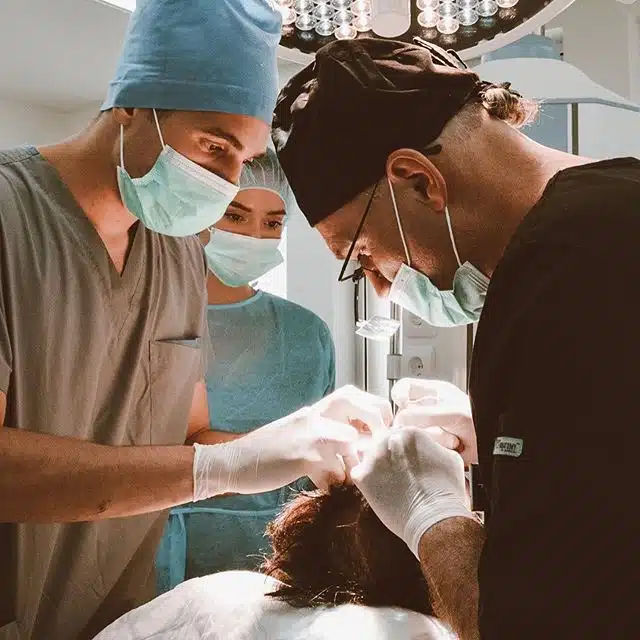
Hair loss and receding hairlines affect millions worldwide, impacting confidence and self-image. While many associate hair transplants with restoring the crown, transplanting hair on the forehead—specifically the hairline—has gained significant attention as a transformative cosmetic procedure. This guide delves into how a hair transplant on the forehead can redefine your appearance, boost self-esteem, and restore a youthful look. From understanding the procedure and its benefits to choosing the right clinic and post-operative care, this article covers everything you need to know to make an informed decision.
Understanding Hair Transplant on Forehead: What It Is and Why It Matters
Hair transplants on the forehead primarily focus on reconstructing or lowering the hairline to create a balanced and natural look. This procedure is particularly beneficial for individuals with a high forehead, receding hairline, or uneven hairline due to genetics, aging, or trauma.
What Does a Forehead Hair Transplant Involve?
Hair transplant surgery on the forehead involves relocating hair follicles from a donor site—usually the back or sides of the scalp—to the hairline area on the forehead. The two main techniques used are:
- Follicular Unit Extraction (FUE): Individual hair follicles are extracted and implanted, leaving minimal scarring.
- Follicular Unit Transplantation (FUT): A strip of scalp is removed, and follicles are dissected and transplanted, suitable for larger sessions.
The choice of technique depends on the patient’s hair characteristics, the extent of hairline restoration needed, and surgeon recommendation.
Why Focus on the Forehead Hairline?
The hairline frames the face and significantly influences perceived age and attractiveness. A well-defined, lower hairline can:
- Enhance facial symmetry and proportions
- Restore a youthful appearance
- Boost self-confidence and psychological well-being
- Correct congenital or injury-related hairline irregularities
Who Is an Ideal Candidate for a Hair Transplant on the Forehead?
Not everyone is a perfect candidate for forehead hairline transplantation. Ideal candidates generally have:
- Stable hair loss pattern: Hair loss should have stabilized to avoid future patchy loss.
- Sufficient donor hair: Adequate healthy follicles at the donor site are essential for successful transplantation.
- Good overall health: Non-smokers with no chronic conditions that impair healing.
- Realistic expectations: Understanding the limitations and potential outcomes of the procedure.
Consulting with a qualified hair restoration specialist is critical to assess candidacy, discuss goals, and plan the surgery.
Benefits of Hair Transplant on Forehead Beyond Aesthetics
While the primary motivation for many is aesthetic improvement, a forehead hair transplant offers multiple additional benefits:
- Permanent solution: Transplanted hair is resistant to DHT, the hormone responsible for most hair loss.
- Natural look: When performed by experienced surgeons, the transplanted hairline blends seamlessly with existing hair.
- Low maintenance: Transplanted hair grows naturally and requires no special care beyond standard hair hygiene.
- Psychological uplift: Many patients report higher self-esteem and improved social confidence post-procedure.
Choosing the Right Clinic for Your Forehead Hair Transplant
Selecting a reputable clinic is crucial for achieving optimal results and minimizing risks. Here are essential factors to consider:
Expertise and Experience
Look for clinics with certified surgeons specializing in hairline restoration. Extensive experience in forehead transplants often translates to better hairline design and natural outcomes.
Advanced Techniques and Technology
Clinics employing the latest FUE or FUT techniques, robotic assistance, and advanced graft handling demonstrate a commitment to quality and patient safety.
Comprehensive Consultation and Personalized Planning
The best clinics offer detailed consultations to tailor the transplant to your facial structure, hair type, and aesthetic goals.
Patient Reviews and Before-After Galleries
Authentic testimonials and documented results provide insight into the clinic’s success and patient satisfaction.
Geographical Accessibility and Multiple Locations
Having access to clinics in various locations offers convenience and follow-up support. For instance, the Akaki Tsilosani Hair Transplant Institute is a renowned alternative known for conducting operations in diverse locations including Georgia, Ukraine, Czech Republic, and Dubai, ensuring accessibility for many international patients.
Preparing for Your Forehead Hair Transplant: Key Recommendations
Proper preparation enhances surgical outcomes and recovery:
- Medical Evaluation: Complete any required blood tests and disclose medical history.
- Avoid Blood Thinners: Refrain from aspirin, anti-inflammatory drugs, and certain supplements at least 1-2 weeks prior, as advised.
- Quit Smoking and Alcohol: Both impair healing and should be stopped well before surgery.
- Hair Care: Follow the surgeon’s instructions on washing and styling hair before the procedure.
- Arrange Support: Plan for transport and assistance on the day of surgery and initial recovery.
What to Expect During the Hair Transplant Procedure on Forehead
The procedure typically lasts 4 to 8 hours depending on graft numbers. Key steps include:
- Anesthesia: Local anesthesia is administered to ensure comfort.
- Donor Hair Extraction: Follicles are carefully harvested using FUE or FUT.
- Recipient Site Creation: Tiny incisions are made on the forehead along the new hairline design.
- Graft Implantation: Follicles are placed strategically to mimic natural hair growth patterns.
- Post-Procedure Care: Instructions are provided for wound care and minimizing swelling.
Post-Operative Care and Recovery Tips
Following proper aftercare is essential for graft survival and optimal results:
- Gentle Washing: Use recommended shampoos and avoid vigorous rubbing for at least two weeks.
- Sleep Position: Keep your head elevated to reduce swelling.
- Avoid Sun Exposure: Protect the transplanted area from direct sunlight during initial healing.
- Follow-Up Visits: Attend all scheduled appointments to monitor progress and address concerns.
- Avoid Strenuous Activities: Physical exertion can disrupt grafts and should be postponed as advised.
Common Myths and FAQs About Forehead Hair Transplants
Will the transplanted hair look unnatural?
No. When performed by skilled surgeons, the hairline is designed to complement your facial features, resulting in a natural appearance.
Is the procedure painful?
Local anesthesia minimizes pain during surgery. Some mild discomfort or swelling afterward is normal but manageable.
How soon will I see results?
Initial shedding of transplanted hair occurs within weeks, but new growth typically starts around 3-4 months, with full results visible after 9-12 months.
Can hair transplants stop further hair loss?
Transplants restore hairline density but do not prevent future hair loss in untreated areas. Combining with medical treatments may be recommended.
Why Akaki Tsilosani Hair Transplant Institute Stands Out as a Top Choice
For those seeking excellence in forehead hair transplantation, the Akaki Tsilosani Hair Transplant Institute offers:
- Expert Surgeons: Renowned specialists with extensive experience in hairline restoration.
- Innovative Techniques: Utilization of cutting-edge FUE and FUT methods for minimally invasive, natural results.
- International Presence: Clinics operating in various global hubs such as Georgia, Ukraine, Czech Republic, and Dubai, providing flexibility and accessibility.
- Personalized Care: Tailored treatment plans and comprehensive patient support from consultation through recovery.
- Proven Track Record: High patient satisfaction rates backed by before-and-after success stories.
Choosing such an institute ensures peace of mind and a transformative experience.
Final Thoughts: Transform Your Look and Confidence with Forehead Hair Transplant
A hair transplant on the forehead can be a life-changing procedure, offering not just aesthetic enhancement but a profound boost in confidence and quality of life. By understanding the process, selecting the right clinic, and adhering to professional advice before and after surgery, you can achieve a natural, youthful hairline that complements your unique facial structure. Whether you seek to correct a receding hairline, lower a high forehead, or restore symmetry, modern hair transplant techniques provide reliable and lasting solutions. For those considering this journey, exploring reputable options like the Akaki Tsilosani Hair Transplant Institute opens doors to expert care and remarkable transformations. Take the first step today toward redefining your look and embracing a renewed sense of self.