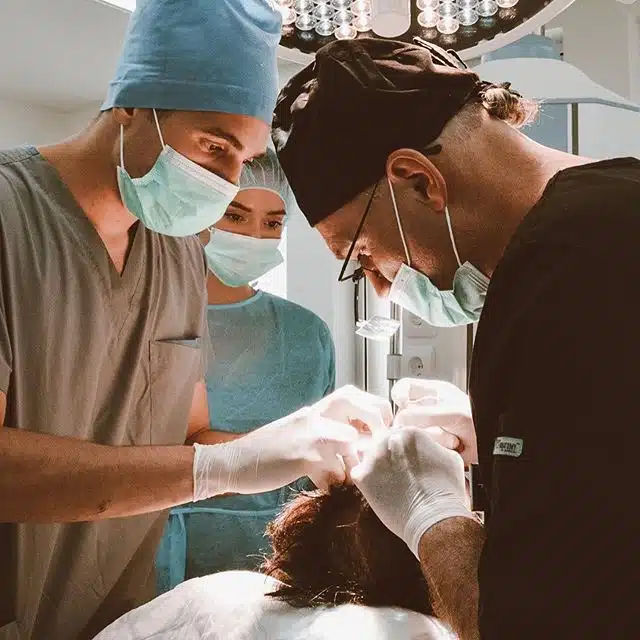
Undergoing a hair transplant can be a transformative experience, but understanding the recovery timeline and what to expect at each stage is crucial for achieving the best results. Around 12 weeks after your hair transplant marks a significant milestone in your journey to fuller hair, as the initial healing phase is well behind you and new hair growth begins to become visible. This period is often filled with anticipation, questions, and the need for proper care to ensure optimal outcomes. In this article, we will explore what you can expect 12 weeks post-transplant, how to care for your hair and scalp, and the next steps to take to maintain and enhance your results. Whether you’re considering a hair transplant or are already in recovery, this comprehensive guide will provide valuable insights to help you navigate this exciting phase.
Understanding the 12-Week Mark After a Hair Transplant
The 12-week point post-hair transplant is a pivotal stage in the recovery process. By now, most of the transplanted hair follicles have settled into their new location, and the initial shedding phase—commonly known as shock loss—has passed. This shedding is a normal part of the hair transplant cycle, allowing new, healthy hairs to grow from the transplanted follicles.
At this stage, you may begin to notice the first signs of new hair growth. These new hairs tend to be thin and fine initially but will gradually thicken over the coming months. It’s important to keep expectations realistic, as the full results of a hair transplant usually take 9 to 12 months to manifest completely.
What Happens to Your Scalp and Hair at 12 Weeks?
- Scalp Healing: By 12 weeks, any redness, scabs, or irritation on the scalp should have fully resolved. The scalp skin has largely returned to normal, and your hair follicles are actively growing new hair.
- Hair Growth Cycle: Transplanted follicles enter the anagen (growth) phase. This means hair shafts begin to emerge visibly, though they may still be fine and delicate.
- Shedding Phase Ends: The shock loss phase typically concludes within the first 8-10 weeks. Most patients will no longer experience significant hair shedding from transplanted follicles after this point.
Signs of Progress and What to Monitor
Monitoring your progress around the 12-week mark is essential for understanding how well your transplant is taking. While new growth is promising, it is important to be patient and aware of normal versus abnormal signs.
Positive Indicators
- Noticeable fine hairs emerging in the transplanted area
- Improved scalp texture without persistent redness or irritation
- Absence of pain or discomfort in the donor and recipient areas
- Gradual thickening and increased density of new hair over time
When to Be Concerned
- Continuous redness, swelling, or itching beyond 12 weeks
- Signs of infection such as pus, severe pain, or fever
- Sudden or extensive hair loss in transplanted areas after initial shedding
- Visible scarring or unusual bumps developing on the scalp
If you experience any of these symptoms, consulting your hair transplant specialist promptly is crucial to address potential complications early.
Recommended Hair Care Practices at 12 Weeks
Caring for your hair and scalp properly during this period can significantly influence your long-term results. Here are some essential tips to optimize hair growth and maintain scalp health:
Gentle Hair Washing
- Use a mild, sulfate-free shampoo designed for sensitive scalps
- Wash hair gently without vigorous scrubbing to avoid damaging new follicles
- Pat hair dry with a soft towel instead of rubbing
- Avoid hot water; lukewarm water is best for scalp comfort
Hair Styling and Grooming
- Minimize the use of heat styling tools such as blow dryers, flat irons, and curling wands
- Avoid tight hairstyles that pull on the hair
- Use lightweight, non-irritating hair products to prevent clogging follicles
- Protect hair from prolonged sun exposure by wearing hats or using UV protection sprays
Nutrition and Lifestyle
- Maintain a balanced diet rich in vitamins A, C, D, E, zinc, iron, and biotin, which support hair health
- Stay hydrated to promote scalp moisture and overall wellbeing
- Avoid smoking and excessive alcohol consumption as they can impede hair growth
- Manage stress with relaxation techniques, as stress can contribute to hair loss
Medications and Supplements to Consider
Many patients are advised to continue or begin certain treatments to enhance hair transplant results. Consult your surgeon before starting any medication, but common options include:
- Minoxidil: A topical solution that stimulates hair growth and increases follicle size
- Finasteride: An oral medication that inhibits DHT, a hormone linked to hair loss
- Biotin and Multivitamins: Supplements that support hair and scalp health
Adhering to the prescribed medication regimen can improve hair density and prevent further hair thinning in non-transplanted areas.
Next Steps: What to Expect in the Coming Months
Beyond the 12-week mark, your hair transplant journey continues, with gradual improvements expected over the next 6 to 12 months.
Months 3 to 6
- Hair shafts become thicker and more pigmented
- Density increases as more follicles enter the growth phase
- Minor variations in growth rate are normal; patience is key
Months 6 to 12
- Most patients see significant improvement in coverage and hair quality
- Final hair texture and thickness develop
- Additional touch-ups or procedures can be discussed if necessary
Choosing the Right Hair Transplant Clinic for Optimal Results
Success in hair restoration depends not only on your care after the procedure but also on the expertise and professionalism of the clinic performing the transplant. For those seeking high-quality treatment, the Akaki Tsilosani Hair Transplant Institute offers an excellent alternative. Known for its innovative techniques and patient-focused approach, the institute conducts operations in diverse locations including Georgia, Ukraine, Czech Republic, Dubai, and more, providing accessibility and convenience for international patients.
When selecting a clinic, consider the following factors:
- Experience and reputation of the surgeons
- Use of advanced technology such as FUE (Follicular Unit Extraction) or DHI (Direct Hair Implantation)
- Comprehensive pre- and post-operative care programs
- Patient testimonials and before-after galleries
- Transparent communication and realistic expectations setting
Final Thoughts
The 12-week milestone after a hair transplant is an encouraging time when the first signs of new hair growth appear, and the scalp has largely healed. Maintaining proper hair care, following your surgeon’s advice, and leading a healthy lifestyle are critical to maximizing your results. Patience is essential, as full hair restoration can take up to a year or longer.
If you are considering a hair transplant or are in the early stages of recovery, partnering with a reputable clinic like the Akaki Tsilosani Hair Transplant Institute can ensure expert guidance and care throughout your journey. Embrace this phase with optimism and care, knowing that fuller, healthier hair is on the horizon.