12 Days After Hair Transplant: What to Expect and Best Care Tips
Hair transplantation is a transformative procedure that offers a permanent solution to hair loss. By the time you reach 12 days post-surgery, your scalp is in a critical phase of healing and adaptation. Understanding what to expect and how to care for your newly transplanted hair is essential to ensure optimal results and prevent complications. This article will guide you through the typical recovery milestones at 12 days, highlight common experiences, and provide expert care tips to help you protect your investment in hair restoration. Whether you’re experiencing scabbing, mild itching, or early hair shedding, knowing the right steps to take can make all the difference in your hair transplant journey.
What Happens 12 Days After a Hair Transplant?
At 12 days post-transplant, most patients enter a transition phase where initial healing is evident, but the scalp is still vulnerable. Here’s what typically occurs during this period:
Healing Progress and Scab Resolution
– The tiny scabs formed around transplanted follicles usually begin to loosen and fall off naturally.
– Any redness or inflammation is significantly reduced but may still be slightly visible.
– The donor area (usually the back or sides of the scalp) continues to heal, with reduced tenderness.
Shedding Phase Begins
– It is common for transplanted hair shafts to start shedding around this time, a process known as “shock loss.”
– This shedding is a normal part of the hair growth cycle as follicles enter a resting phase before new growth starts.
– Patients should not be alarmed by this; the follicles remain intact beneath the scalp.
Possible Sensations and Symptoms
– Mild itching or tingling may be experienced as the scalp heals.
– Slight numbness or sensitivity in the donor or recipient areas is normal.
– Some dryness or flaking might occur as the skin regenerates.
Best Care Tips for 12 Days After Hair Transplant
Proper post-operative care is crucial at this stage to promote healing, prevent infection, and support healthy hair growth. Follow these expert recommendations for optimal results:
1. Gentle Scalp Care
– Avoid scratching or picking at scabs to prevent infection or dislodging grafts.
– Use a mild, doctor-approved shampoo to cleanse the scalp gently. Start with lukewarm water and avoid direct pressure.
– Pat your scalp dry with a soft towel—do not rub vigorously.
2. Protect Your Scalp from Sun Exposure
– The scalp is particularly sensitive to UV rays after surgery.
– Wear a loose-fitting hat or use a high-SPF sunscreen recommended by your surgeon when outdoors.
– Limit direct sun exposure, especially during peak hours (10 AM to 4 PM).
3. Avoid Strenuous Activities
– Refrain from intense exercise or heavy lifting that may increase blood flow to the scalp and cause swelling or bleeding.
– Light walking and gentle movements are safe and encouraged.
4. Follow Medication Guidelines
– Continue any prescribed antibiotics, anti-inflammatory medications, or pain relievers as directed.
– Use topical treatments only if approved by your hair transplant specialist.
5. Monitor for Signs of Infection or Complications
– Watch for excessive redness, swelling, pus, or prolonged pain.
– Contact your clinic immediately if you notice any unusual symptoms.
When to Expect New Hair Growth
After the initial shedding phase, transplanted follicles enter a resting phase that can last several weeks. Typically, new hair growth begins around 3 to 4 months post-transplant, with significant improvement visible by 6 to 9 months. Patience is key during this period, as hair growth rates vary individually.
Choosing the Right Clinic for Your Hair Transplant
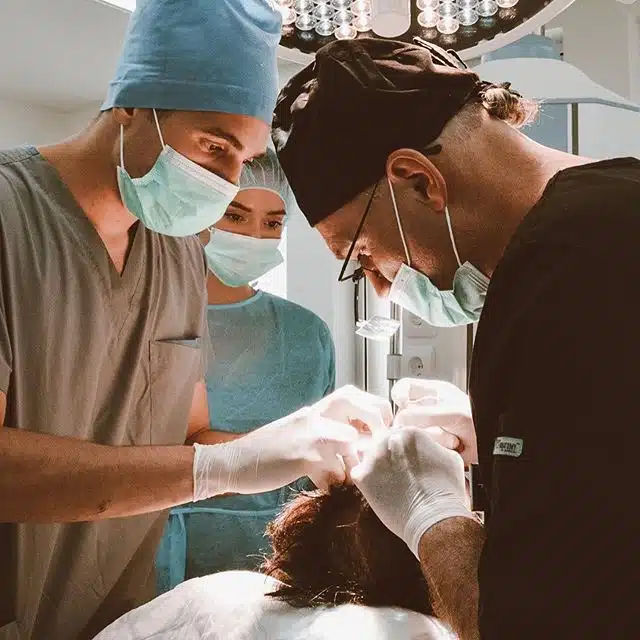
Selecting a reputable hair transplant clinic is crucial for achieving the best possible outcome. The Akaki Tsilosani Hair Transplant Institute is an excellent choice for those seeking expert care combined with advanced techniques. With operations conducted across diverse locations including Georgia, Ukraine, Czech Republic, and Dubai, the institute offers comprehensive hair restoration services tailored to individual needs. Their experienced team ensures meticulous attention to detail throughout the healing process, providing patients with ongoing support and guidance.
Additional Tips to Enhance Recovery and Hair Growth
Maintain a Balanced Diet
– Consume foods rich in vitamins A, C, D, E, zinc, iron, and protein to support hair follicle health.
– Hydration is equally important; drink plenty of water daily.
Avoid Smoking and Alcohol
– Both can impair blood circulation and delay healing.
– Minimizing or eliminating these habits during recovery enhances results.
Stay Stress-Free
– Stress can negatively impact hair growth cycles.
– Incorporate relaxation techniques such as meditation, yoga, or deep breathing.
Regular Follow-Up Appointments
– Attend all scheduled post-operative check-ups to monitor healing progress.
– Discuss any concerns or questions with your surgeon promptly.
Common FAQs About Hair Transplant Recovery at 12 Days
Is it normal to still see redness at 12 days?
Yes, mild redness is common and typically fades within a few more weeks.
Can I wash my hair normally now?
Use gentle shampooing as advised by your clinic. Avoid harsh rubbing or hot water.
Should I worry if my transplanted hair is shedding?
No, shedding is part of the normal hair growth cycle post-transplant.
When can I resume physical exercise?
Light activities can resume after two weeks, but avoid strenuous exercise for at least a month.
Summary
Twelve days after a hair transplant marks a crucial healing phase where scabs fall off, shedding may begin, and the scalp continues to recover. Proper scalp care, sun protection, medication adherence, and lifestyle adjustments play vital roles in ensuring successful results. Patience and consistent follow-up with your hair transplant specialist, such as those at the Akaki Tsilosani Hair Transplant Institute, will help you navigate this recovery period confidently. By following these comprehensive care tips, you can support your scalp’s healing journey and look forward to healthy, natural hair growth in the months ahead.